
What is ecological grief?
When we think about grief we usually focus on personal loss such as the death of someone close to us.
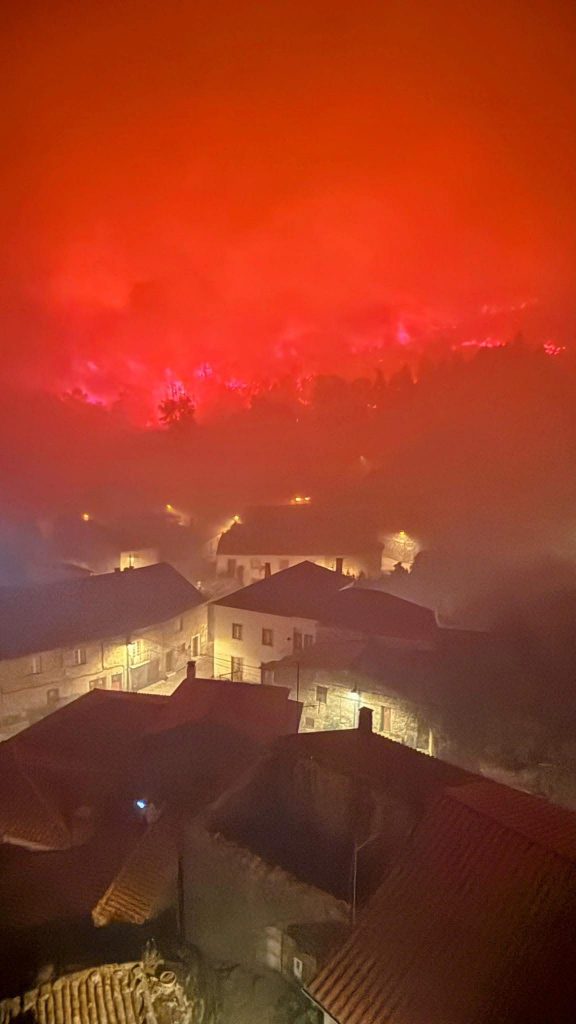
But grief can have a wider context. It can be our emotional response to any sort of loss. And in 2026 we face all kinds of environmental and social losses. Our climate is changing and every summer sees new record temperatures. Ecosystem collapse threatens national security. We are witnessing a mass extinction event. Forests are burning, glaciers are dying. It’s hard to take in and easy to feel overwhelmed. What can individuals do, faced with global crisis?
How to mourn our ecological losses?
When someone close to us dies we can also feel overwhelmed by grief and paralysed by the thought of all that we have to do. But we do have long-established ways to mourn, to express our grief. This is why we have funerals.
Can we do something like that to honour and acknowledge environmental losses? It might seem awkward and strange at first, but people are adapting the rituals we’ve always used to honour our dead in new ways to grieve for a broken world.
For example…
- The poet Mandy Haggith writes movingly in her book “The Lost Elms” about the northward advance of Dutch elm disease. She describes how a very old wych elm at Beauly Priory finally succumbed – after 800 years. Local people held an event led by Highland artist Isabel McLeish to discover, celebrate and share stories and research about this special tree.
- Okjökull glacier in Iceland was declared dead in 2014 due to its loss of thickness. In August 2019, a memorial plaque was installed at the site of the lost glacier attended by Katrín Jakobsdóttir, the Prime Minister of Iceland and Mary Robinson, the former President of Ireland.
- In March 2026 I led an online “climate grief circle“. This was a non-judgmental space where people could talk about their emotional response to climate and other ecological crises. A sort of online sanctuary and a way to share fears of how the natural world is changing at a local and global level.
The role of the celebrant
A good celebrant has an understanding of how ritual and ceremony can help us mourn our losses. They are experienced in bringing families, friends and even communities together to discuss plans for funerals or other ceremonies. They find ways to enable people to contribute through poems, music, tributes.
Making contact
I would love to hear from you if you would like to explore some of these ideas. Maybe you represent a community group that wants to mark the loss of a much loved local tree like the Beauly elm. Or you’re from a region devastated by wildfires. Or you’re just an individual who feels overwhelmed by the scale of climate change.
I would also like to hear from other celebrants, officiants or organizers who are involved in this new and important work.