
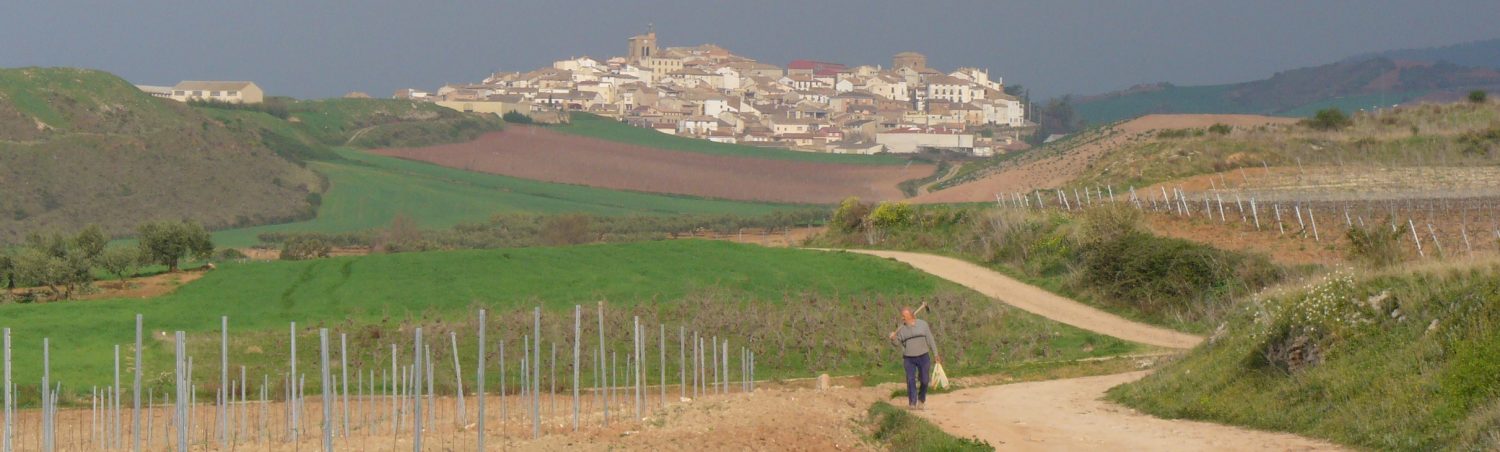
This has been a time of anniversaries and reflection for me. I’ve been looking back over my seven years as a funeral celebrant.
Those years included the pandemic of course. It was a difficult time for bereaved families. Families were separated and in many cases, their loved ones died alone or isolated. Then on top of that, they had to decide who could attend the drastically reduced numbers allowed in a crematorium.
But other things emerged from that strange time. One of my closest friends is a photographer from Ireland. During the time of the pandemic he was living in Dublin. His closest green space, where he could escape to from the house and stretch his legs, was a cemetery.
Inevitably his photographer’s eye was drawn to the graves and the headstones and the tributes that people leave. In particular he noticed the often garish artificial flowers that people place on graves. Brightly coloured and made of plastic and fibre and wire. He began to send me photos of these. And I suppose we were both slightly mocking these tributes. Such trashy offerings!
And yet…
What Paul began to notice was that, over time, the colours began to fade. They became more subtle. Began to possess a strange beauty. And this transformation made us realize that there never was anything trashy about these flowers, however bright the colours and cheap the materials. They were placed with as much love and grief as any hothouse lily or silk paeony.
I have observed a similar transformation in funeral poetry. Of course it’s nice when a family asks me to read a classic and beautiful poem. But often they will choose something “from the internet”. And it’s not my role as a celebrant to sneer. But rather to invest those words with the emotional power that drew the family to choose them.
So they may be bad poetry and the flowers may be plastic. But they are chosen and offered with love and, just as the sunlight fades the colour into something strange, that love transforms these into something sacred.
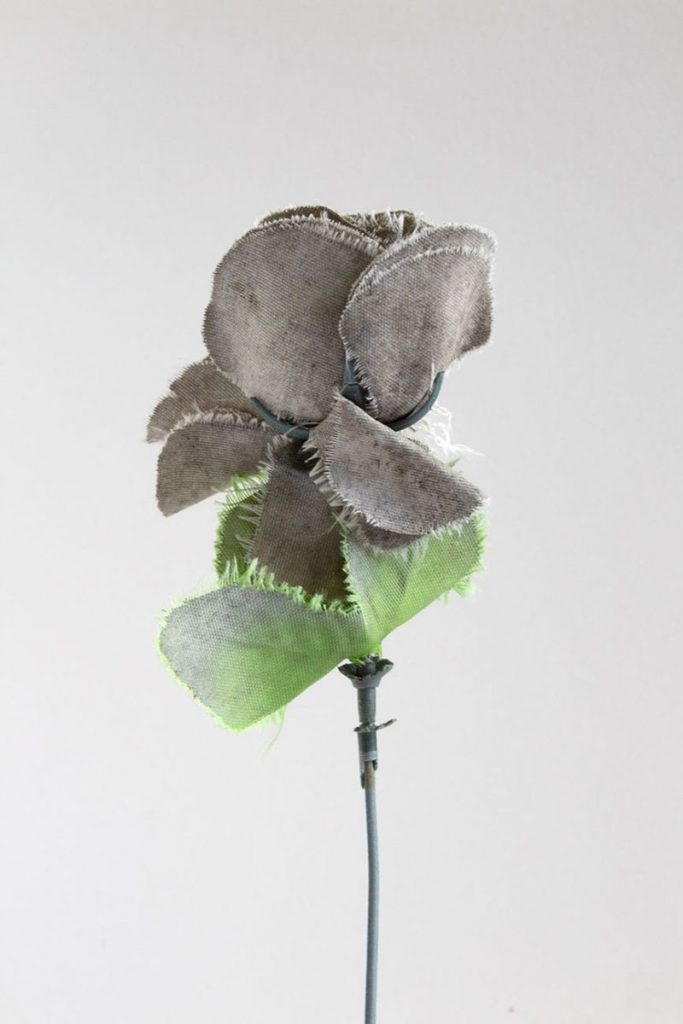
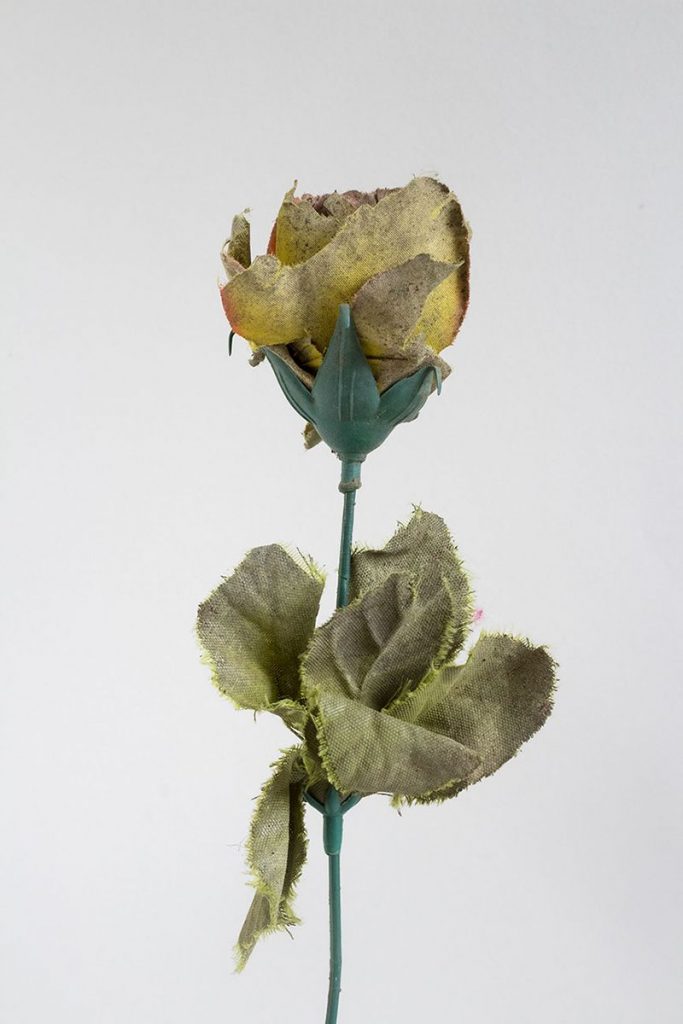
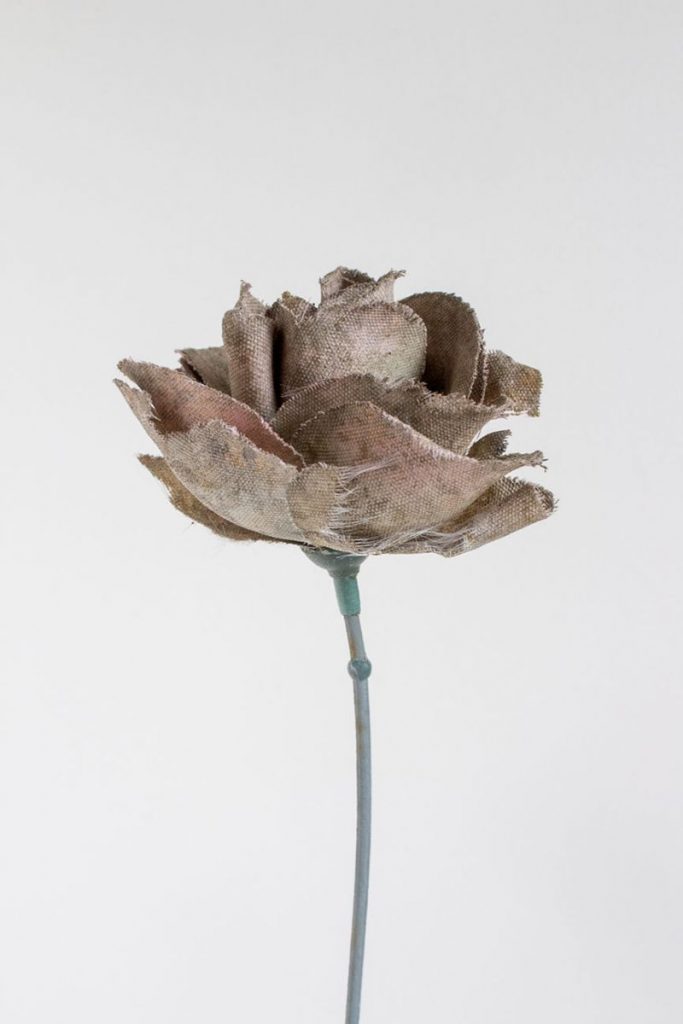
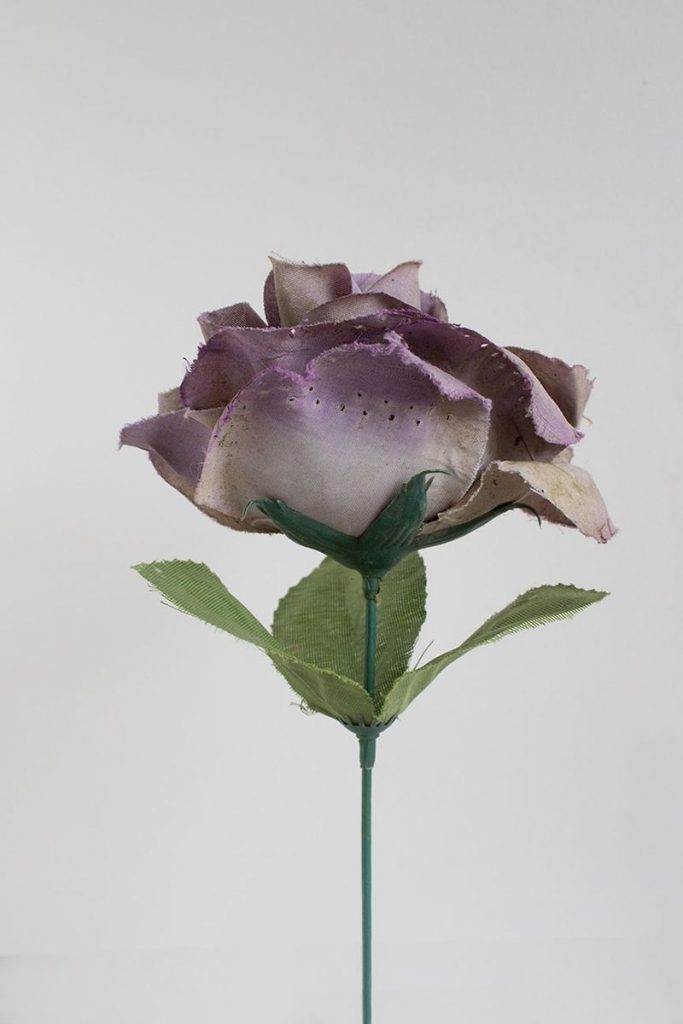
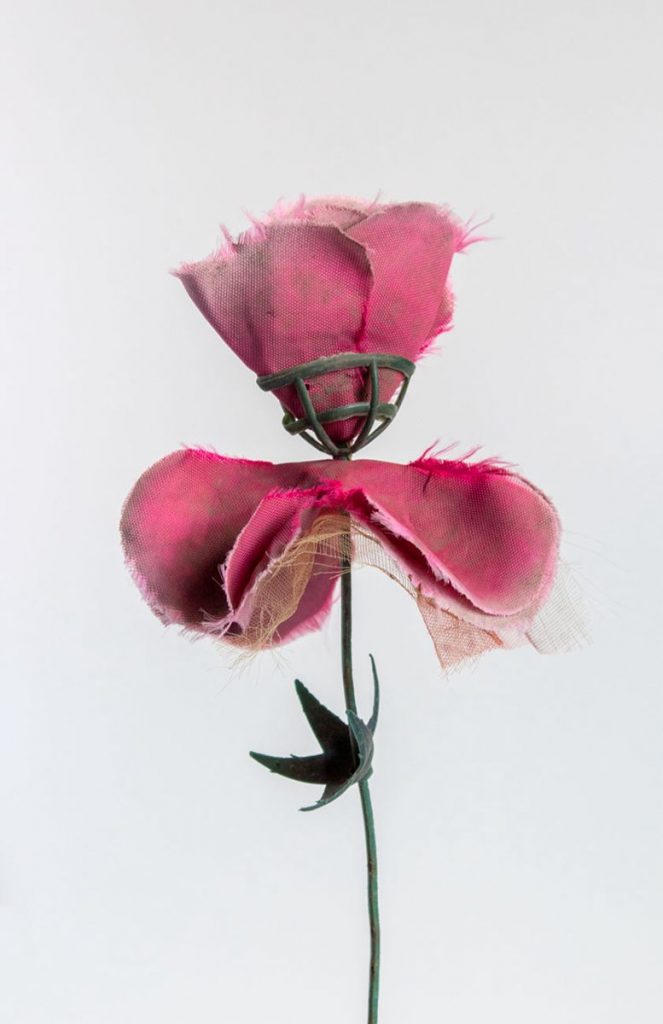
Thank you Michael for your beautiful reflections and Paul’s photographs.
Thank you Diane